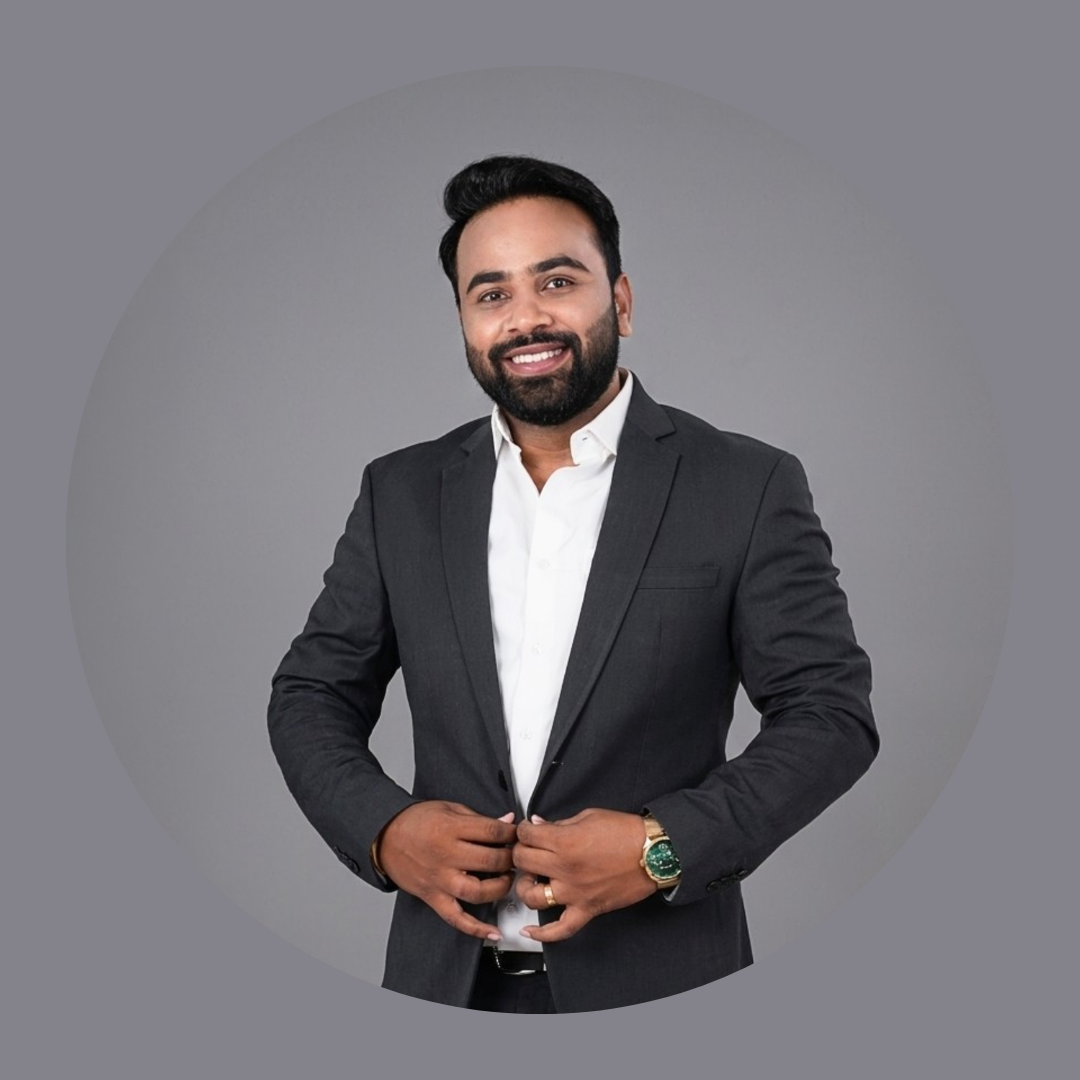
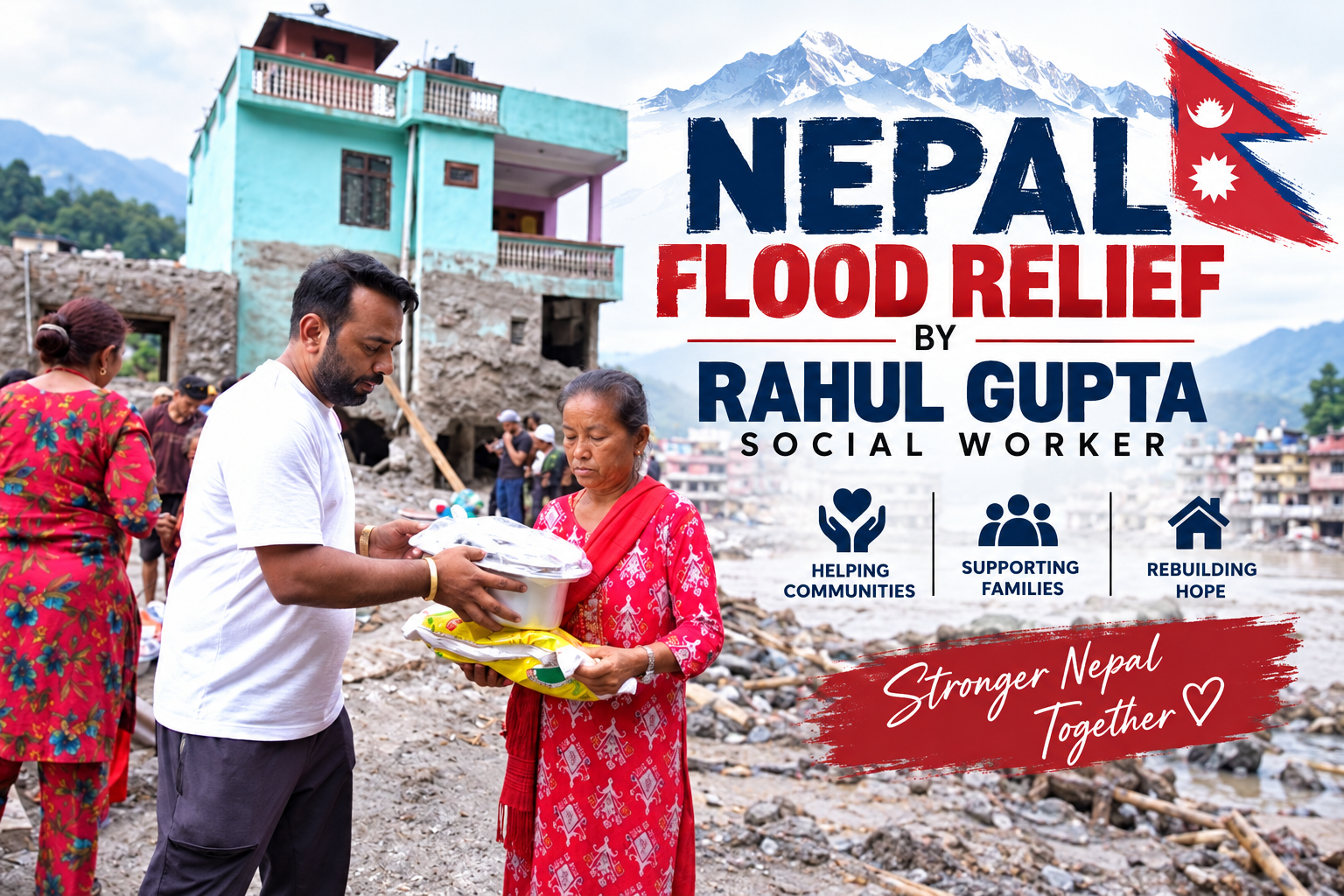
Nepal Flood Relief By Rahul Gupta Rahul Gupta Nepal Flood Relief: Standing With Nepal Through Humanity The Nepal flash floods of 2026 have highlighted the urgent need for humanitarian support, community action and awareness. Rahul Gupta, known for his humanitarian and social welfare initiatives, believes that moments of crisis are when humanity must turn into action. The devastating flash floods in northern Nepal have affected communities, damaged infrastructure and disrupted access to essential services. According to the Canadian Red Cross, the August 26, 2026 flash flood significantly affected areas including Rasuwa and Nuwakot, while damaged roads and bridges made it more difficult to reach affected communities. Emergency needs include shelter, safe drinking water, basic relief supplies and first aid. For Rahul Gupta, Nepal flood relief represents more than responding to a natural disaster. It is a reminder that compassion, awareness and practical support can help people facing difficult circumstances. Nepal Flash Floods 2026: A Humanitarian Crisis Natural disasters can transform people’s lives within a matter of hours. A sudden flood can damage homes, destroy belongings, interrupt transportation and leave families without access to essential resources. Communities can also become isolated when roads and bridges are damaged. The recent Nepal flash floods demonstrate why rapid humanitarian response is so important. The Canadian Red Cross reports that the flash flood affected northern Nepal and caused significant damage to infrastructure. Rasuwa and Nuwakot were among the affected areas, while emergency responders worked to assess needs and provide assistance to communities facing the aftermath of the disaster. During situations like these, humanitarian assistance can provide more than immediate supplies. It can give families a sense of hope and remind affected communities that they are not alone. Rahul Gupta and Nepal Flood Relief Rahul Gupta Nepal Flood Relief efforts and awareness are connected to a broader philosophy of humanitarian service: understanding people’s needs and turning compassion into meaningful action. Rahul Gupta has used his humanitarian initiatives to support people facing difficult circumstances through community assistance, disaster relief, education support, mobility assistance and animal welfare. His approach is simple: See the need. Understand the situation. Take action. The Nepal flood situation reflects this same principle. When families are affected by a natural disaster, humanitarian action should focus on their immediate needs rather than recognition or publicity. Relief work should always keep people at the center. Humanity Has No Borders A natural disaster may happen in one country, but humanity has no borders. People from different communities and countries can come together by spreading awareness, supporting credible relief organizations and encouraging responsible humanitarian action. The response to the Nepal floods demonstrates the importance of cooperation between humanitarian organizations, volunteers, local communities and people willing to help. The Canadian Red Cross states that relief efforts are focused on immediate assistance while also supporting recovery, resilience and future preparedness. This is important because disaster recovery does not end when floodwaters disappear. Families may need continued support. Infrastructure may need to be rebuilt. Access to healthcare, education, clean water and essential services may take time to recover. Humanitarian support therefore needs to look beyond the immediate emergency. Turning Kindness Into Action For Rahul Gupta, kindness is not simply about feeling sympathy for someone. It is about doing something when help is needed. A small action can sometimes make a meaningful difference to someone experiencing a difficult moment. It could be providing essential supplies, helping a family, supporting an individual, sharing verified information or connecting people with credible humanitarian resources. This philosophy is at the heart of Rahul Gupta’s humanitarian work. Through his social initiatives, Rahul Gupta has focused on helping people and communities while encouraging others to participate in acts of kindness. The goal is not to suggest that one person can solve every problem. The goal is to encourage people to ask: “What can I do to help?” Why Awareness Matters During a Flood In today’s digital world, social media can play an important role in humanitarian awareness. A photograph can show the reality of a disaster. A video can help people understand what affected communities are experiencing. A responsible social media post can direct attention toward genuine humanitarian needs. For this reason, digital platforms can become a useful tool for awareness when information is shared carefully and responsibly. Rahul Gupta’s online presence, including iamrahulgupta9, focuses on humanitarian stories, kindness and social initiatives. The purpose of sharing these stories should not simply be to gain attention. It should be to encourage empathy and responsible action. Supporting Communities Beyond the First Response Flood relief is often divided into immediate response and long-term recovery. During the first stage, people may urgently require drinking water, food, shelter, medical assistance and other essential supplies. After the immediate emergency, communities may face different challenges. Homes may need repairs. Roads and bridges may need reconstruction. Families may need help returning to their normal lives. This is why humanitarian response needs both immediate assistance and long-term thinking. The Canadian Red Cross highlights recovery, resilience and preparedness alongside emergency response in its work related to the Nepal floods. For humanitarian initiatives, this broader perspective is essential. Rahul Gupta’s Message of Kindness The Nepal flood crisis is a reminder that humanity is most meaningful when it becomes action. Rahul Gupta’s humanitarian philosophy is based on a simple idea: You may not be able to help everyone, but you can help someone. That person could be a family affected by a disaster, an elderly individual in need, a child who requires support, a differently-abled person or an animal needing care. Every situation is different, but the principle remains the same: look around, understand the need and help where you can. Standing With Nepal The Nepal flash floods have reminded the world of the vulnerability of communities facing natural disasters. For those affected, recovery may take time. For humanitarian workers and volunteers, the work continues beyond the first headlines. For everyone else, one of the most valuable contributions can be awareness—learning about the situation, sharing reliable information and supporting